Bandits at dawn. Samurai at noon. Oni at midnight. Then it starts over — faster.
The core loop of Bald Ninjas is the wave. Every fight is a single bald ninja against a parade of enemies that get harder, faster, and weirder the longer you live. There's no story mission, no campaign branching, no cutscene. You drop into the arena, you fight, you die, you come back. If you've ever lost an evening to Super Smash Bros Endless mode or stayed up "one more game" in Brawlhalla's Strikeout, you already understand the loop. We just compressed it into a side-view brawler with three bald protagonists.
Waves are short on purpose. Each one lasts roughly fifteen to thirty seconds — long enough to feel like a real exchange, short enough that a death never feels like a punishment for surviving. Between waves you get a heartbeat of breathing room, your KO counter ticks up, and the next enemy silhouette walks out of the fog.
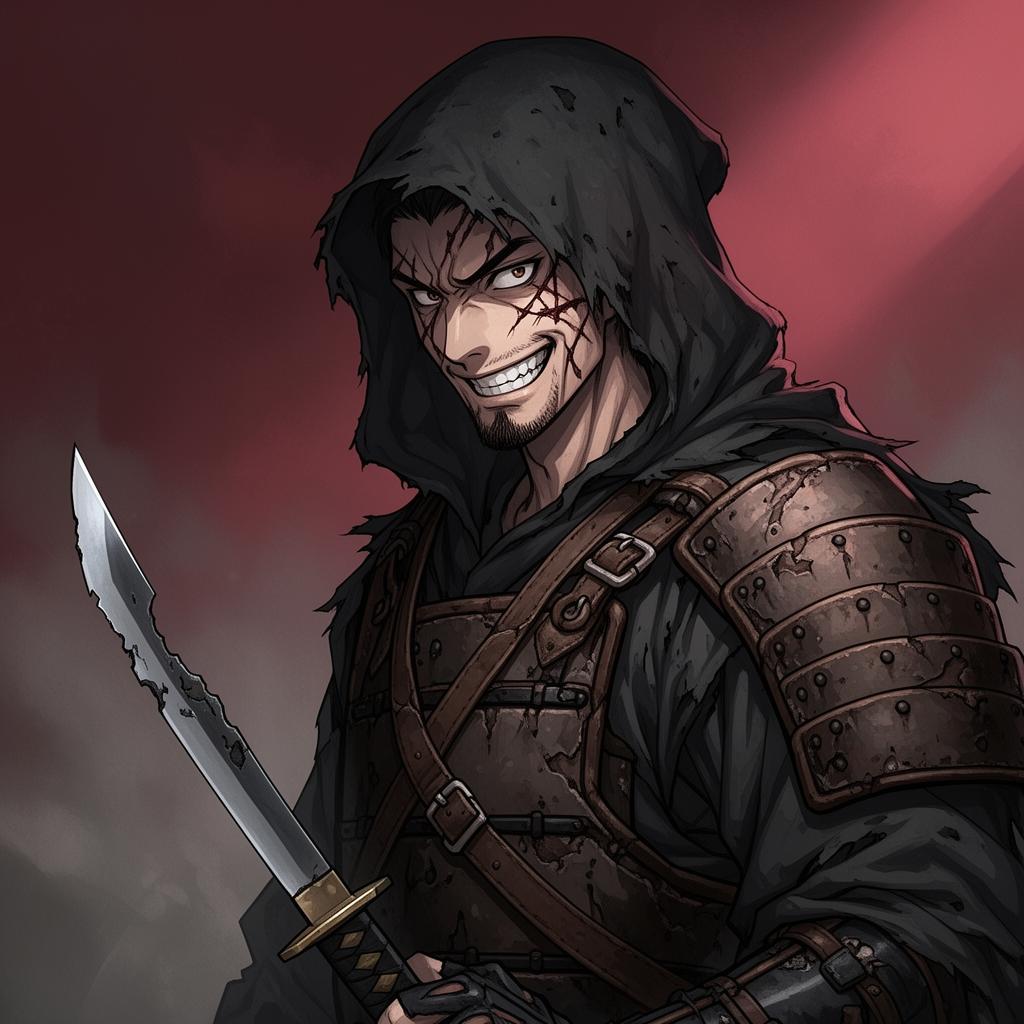
Bandit
Waves 1–3 · The teacher
The Bandit is your tutorial. He telegraphs every windup with a clear shoulder dip, his hitbox is generous, and his recovery is long enough that even Enji's slowest combo lands clean. By Wave 3 you should be reading his timing in your sleep — that's the point. The game uses him to teach you which way is forward.
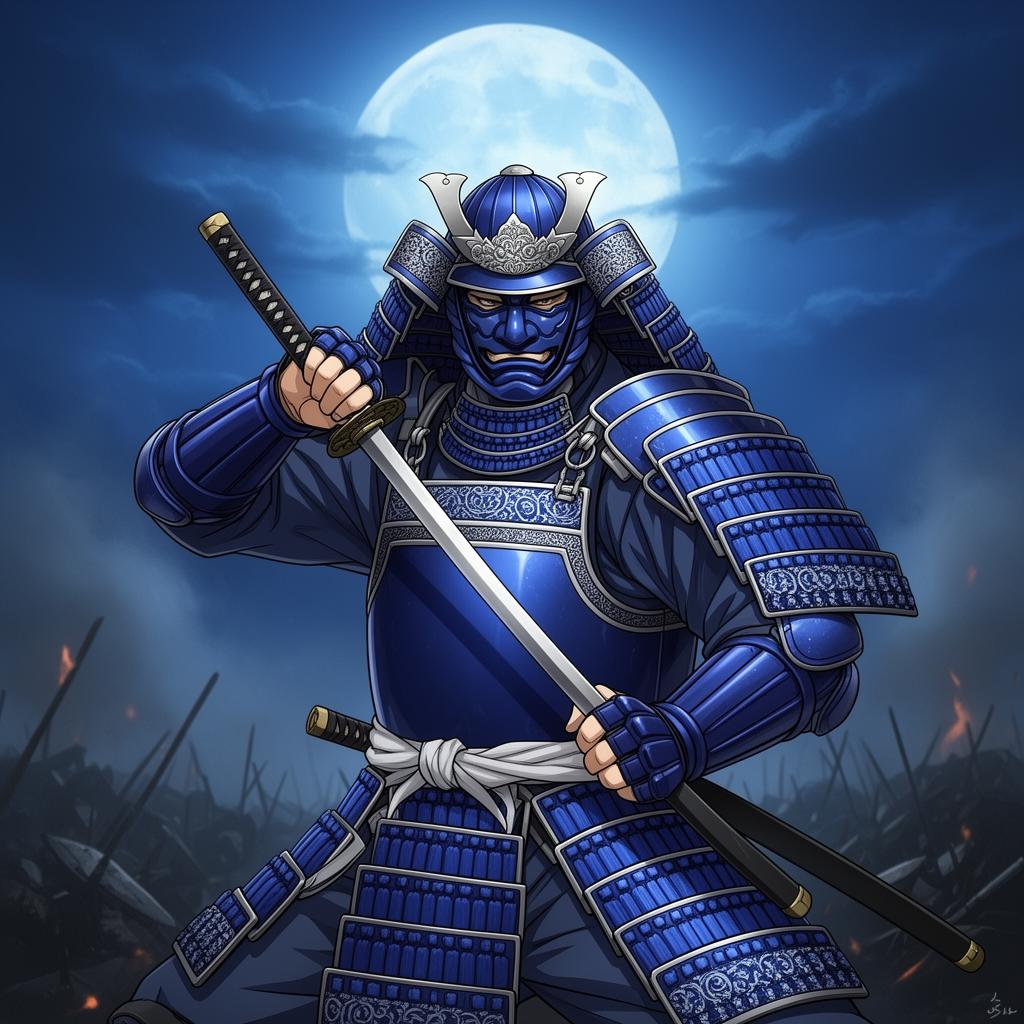
Samurai
Waves 4+ · The wall
The blue Samurai is where Bald Ninjas earns its name. His vertical katana slash has armor on the windup — light hits won't interrupt him. You either dodge through and punish, or you eat the swing. Starting at Wave 4, enemies also spawn from random sides, so Samurai can appear behind you. Rai's spin shines here.
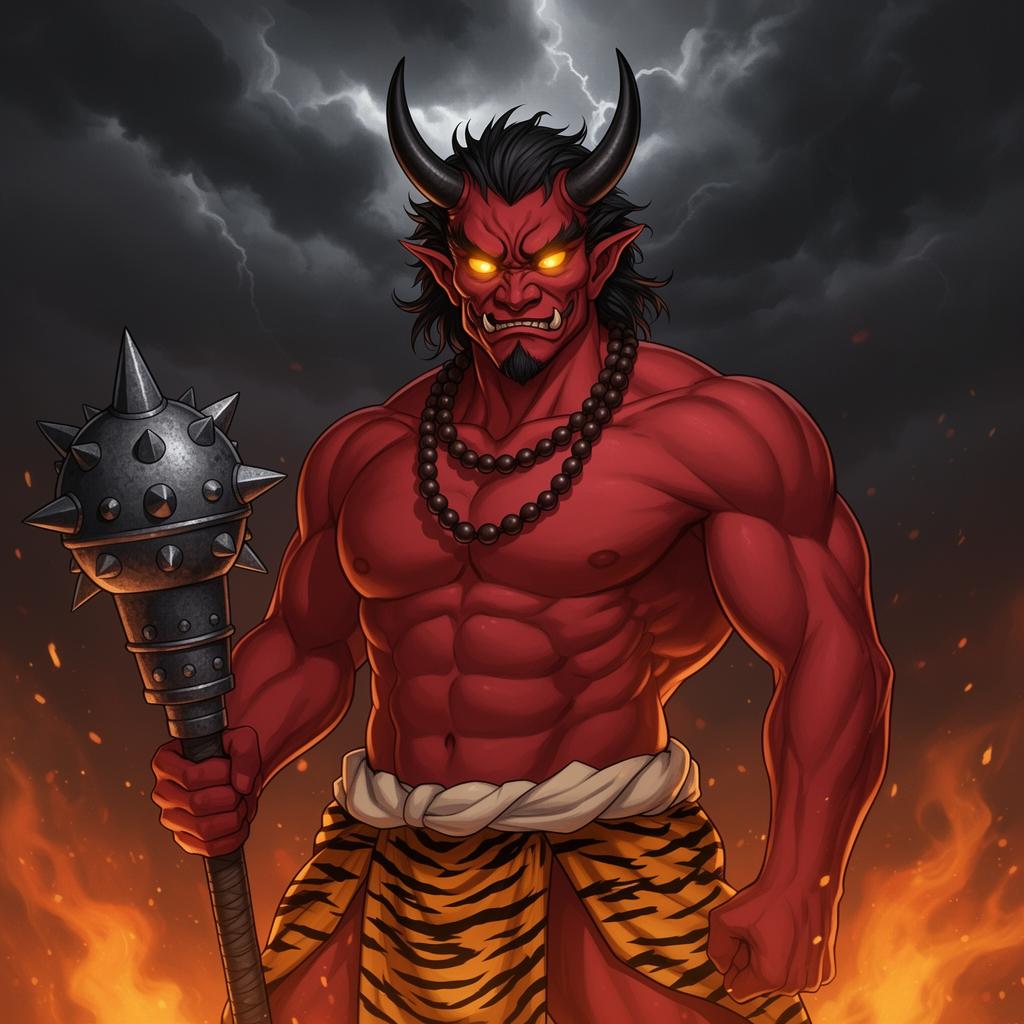
Oni
Waves 7+ · The boss
The Oni is a horned brute with a slam attack that covers half the arena. He's slow, but his hit is the only one that can two-shot a fresh ninja. Beat him without taking a single hit and the next wave spawns a bonus Bandit from the opposite side — the game's quiet way of rewarding clean play with a souvenir.
How waves scale
From Wave 1 to Wave 3 the game is gentle. Enemies move at base speed, attack from the right, and only one shows up at a time. Wave 4 flips the table: spawn sides become random, attack timings tighten by about fifteen percent, and the Samurai joins the rotation. By Wave 7 the Oni appears, and the rhythm changes again — you can no longer trade hits, because the Oni's slam costs more than yours.
Past Wave 10 the game stops introducing new enemies and starts remixing the ones you know. Two Bandits from opposite sides. A Samurai sandwiched by Bandits. An Oni that arrives a beat earlier than you expect. There is no hard cap — the leaderboard exists because we genuinely don't know how high a great player can push it, and we want to find out.
The perfect-clear bonus
Take zero damage on an Oni wave and the game remembers. The next wave spawns an extra Bandit from the opposite side of whatever else is coming. It looks like a punishment — more enemies, more risk — but it's actually a reward: more KOs means more coins, more coins means more perks at the Dojo, and the Bandit is the easiest enemy in the game. Clean play compounds.